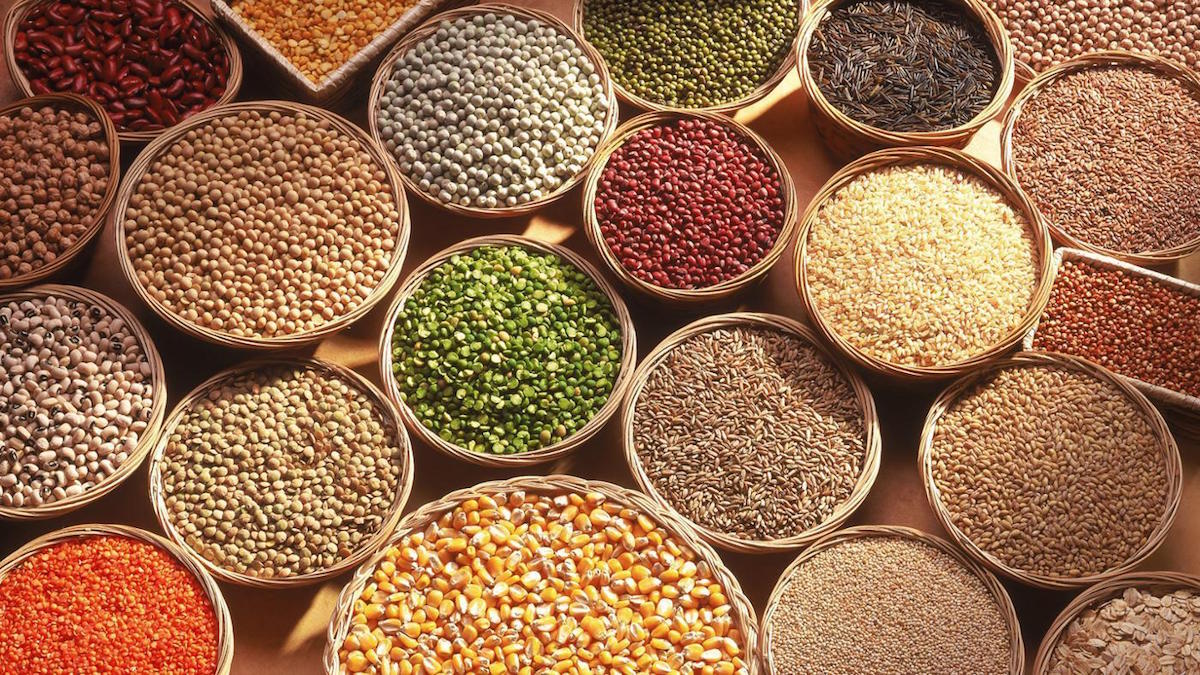
Whether you are on a diet or believe in the “I live for food” agenda or even if you eat to just remain alive, food grains are an essential element of your grocery list. You may belong to any part of the world to have tortillas, chapati, roti, phulka, or bread served with varieties of cooked vegetables, soups, meat or dairy products, grains form the basic ingredient of your staple diet. Interestingly, the use of grains as a form of nutrition dates back to earliest of civilizations like Mesopotamia and Indus Valley. Popcorn, a globally popular snack, has been carbon dated to be about 5,600 years old, based on the discovery of anthropologist Herbert Dick and botanist Earl Smith in 1948. They found small heads of corn and several popped kernels deep in the dry caves, called the ‘Bat Caves’ in New Mexico. I wonder what our ancestors watched while munching on those popped kernels!
They probably would have believed that grains are the greatest gifts of nature to mankind and if you don’t believe so, then try eliminating grains and their products like rice (of all kinds), breakfast cereals (whether or not you’re a Quaker/Kellogg’s/Nestle/Kashi consumer), tortillas/roti, dumplings, buns, bread, cooking oil, fuel, cosmetics, alcohol from your daily supply and you’ll feel stripped in various degrees. So, here’s a compilation of the relations we share with grains.
The Grain Mania
Grains, alternatively called cereals, are the edible seeds of grasses which belong to the ‘Poaceae’ botanical family and include wheat, rice, oats, corn (maize), barley, sorghum, rye and millets. They are the cheapest energy source, give wholesome nutrition supply and can be cultivated twice in a year which justifies the worldwide demand for the food grains since time immemorial.
They have three parts – the bran, germ and endosperm.
- Bran is the multi-layered outer skin of the grain which contains important antioxidants, B vitamins and fiber.
- The germ has the potential to sprout into a new plant and contains many B vitamins, some protein, minerals, and healthy fats.
- The endosperm is the largest portion of the kernel which contains starchy carbohydrates, proteins and small amounts of vitamins and minerals.
Depending on the presence of all the three parts, grains can be True Cereal Grains or can be Pseudo-Cereal Grains which have similar nutrient composition but are the seeds of different plant species. Quinoa, amaranth and buckwheat are some pseudo cereals which are globally replacing the traditionally used true cereals because of their health benefits which parallel the dietary patterns like gluten-free diet prevalent today.
Have you ever wondered about how this fundamental need of 7.8 billion world population is fulfilled? Well, then continue reading!
Global Demand and Supply
Although there has been a significant shift in demand from staple food grains towards high value horticultural and animal products due to constant economic growth, changing dietary patterns and varying lifestyles, the demand for food grains has been increasing because of substantial increase in global population, growing demand for animal products and the subsequent need for fodder.
To suffice this demand, an all-time high of 2,714 million tonnes of grains have been globally produced in 2019, which counts for 2.1 percent above the production in 2018.
However, the farmers have been producing enough grains to suffice 1.5 times the population of the world, the utilization has been comparatively low due to inefficient storage and distribution facilities and high transportation costs.
Where does this data come from? And did you know, India has an important role to play in it’s foundation? Dig further to know more!
FAO
Food and Agriculture Organisation of The United Nations is the body which generates monthly, quarterly, biannual and annual analyses and reports of global food production, trade, utilization and the food market, to record the world food situation for sustainable development. India has been one of the founding members of FAO, and has since contributed it’s valuable expertise and resources to the organisation’s work.
Government agencies of each country, like Food Corporation of India (FCI), function to develop policies and monitor their implementation in favor of farmers, better grain production and distribution.
Media bridges the gap between the government and the citizens along with influencing global trends of food grain consumption. Here’s how!
Indian Media and Grains
The Press Information Bureau, Government of India’s core functions include “Dissemination of information about Government of India policies, programmes and activities”, “Organizing media outreach programmes like special media interactive sessions” among others, whereas various media outlets-print ,electronic and digital, ensure the dissemination of such information to the public, along with checking the implementation at community level.
Articles and broadcast during the months of May, June and July is the maximum concerning the food situation of India in terms of production, storage and distribution infrastructure, food grain prices, natural calamities, scarcity as these are the months of procurement of grains followed by monsoon. Some of the articles about the food grain status of 2019 are:
https://www.business-standard.com/article/economy-policy/june-end-foodgrain-stocks-hit-new-peaks-grain-buffer-81-above-norms-119071800085_1.html
https://economictimes.indiatimes.com/topic/foodgrains
https://economictimes.indiatimes.com/news/economy/agriculture/283-37-million-tonnes-of-food-grains-produced-in-2018-19/articleshow/69637041.cms?from=mdr
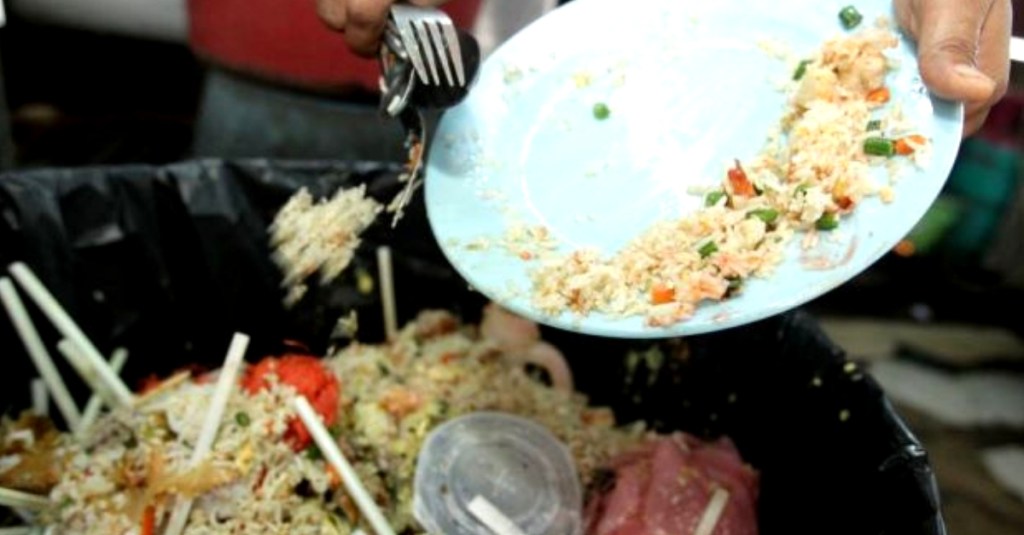
The study of these statistics is important as they determine the gap between the demand and supply of the food grains. We, as responsible citizens and inhabitants of Earth must efficiently utilize the grains available to us, ensuring zero wastage as there are people in another corner of the same village/city, state, country or the world, unable to afford even such basic needs.
SAY NO TO FOOD WASTAGE!
 Sarah Rizvi